Biocoop is the first name that comes to mind if one thinks about organic food retail in France. Biocoop is thus more than a mere supermarket chain. It has created an identity that is deeply staining its core values of ethics, cooperation, and sustainability. While typical retailers have simply added organic sections to their stores to meet consumer demand, Biocoop is the result of an activist's faith and is defiantly.
BIOCOOP : Pioneering Organic Retail in France
Origins: From grassroots to national leader
Biocoop’s story began in the 1970s, when small groups of consumers started creating purchasing cooperatives to access organic products. These initiatives merged in 1986 under one banner: Biocoop. From its earliest days, Biocoop positioned itself not only as a distributor, but as a movement promoting a new way of producing and consuming.
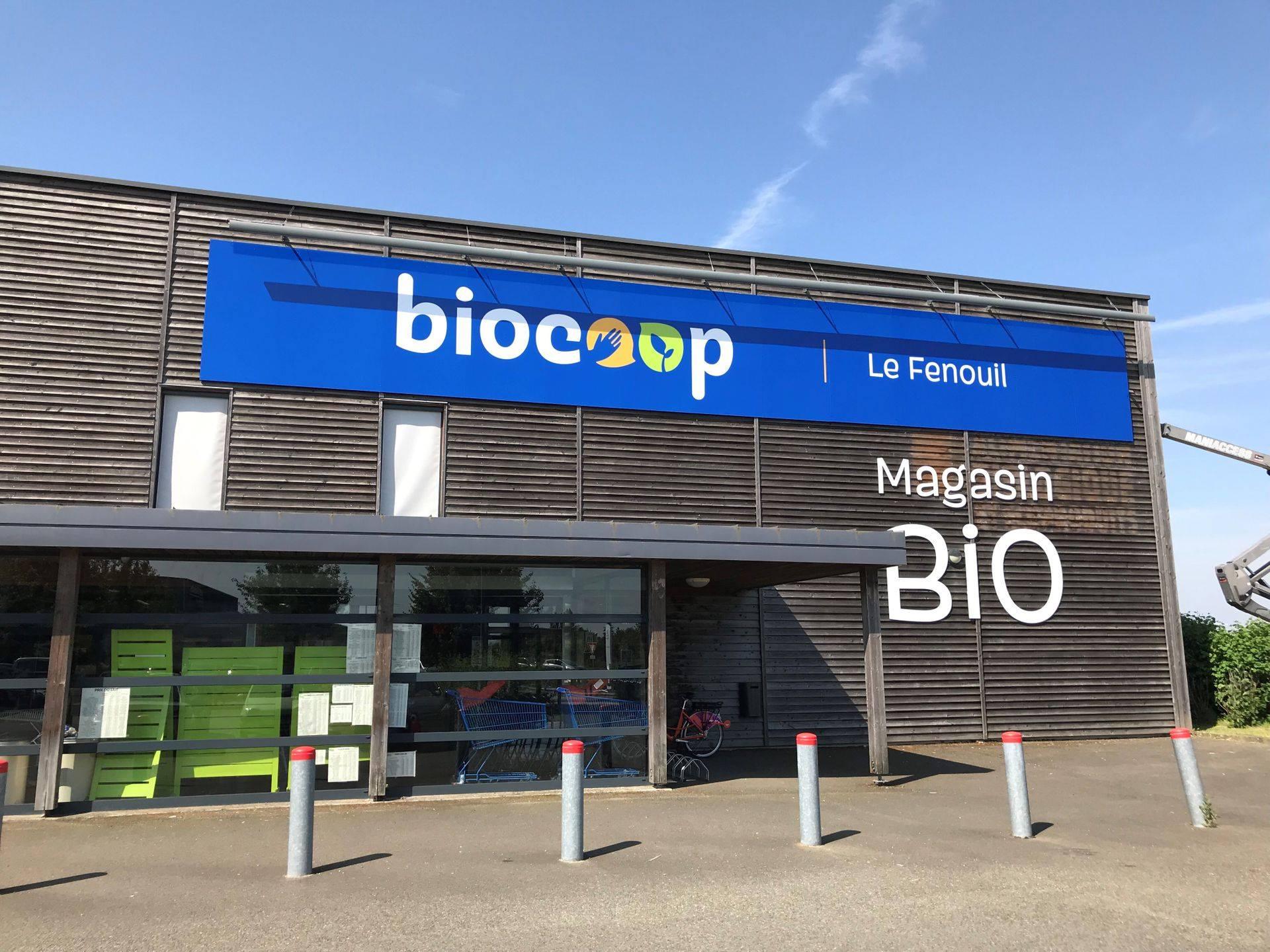
Identity and brand perception

Biocoop stands out for putting values before profit. Its positioning is clear :
- 100% organic products, with strict criteria that often go beyond the European bio label.
- Local and seasonal sourcing: farmers are paid fairly, and transportation distances are minimized.
- Fair trade: both international and French producers benefit from long-term partnerships.
- Zero waste commitment: a pioneer in bulk food retail and packaging reduction.
“Biocoop doesn’t just sell food; it promotes a way of life based on responsibility, solidarity, and respect for the planet. ”
A brand with values, not just products
Biocoop’s visual identity, the blue and green logo with a sprouting seed, reflects its DNA: growth, nature, and community. In communication, the brand favors authenticity, educational campaigns, and transparency. The consumer isn’t just a client, but a citizen invited to participate in a collective project.
Market Positioning
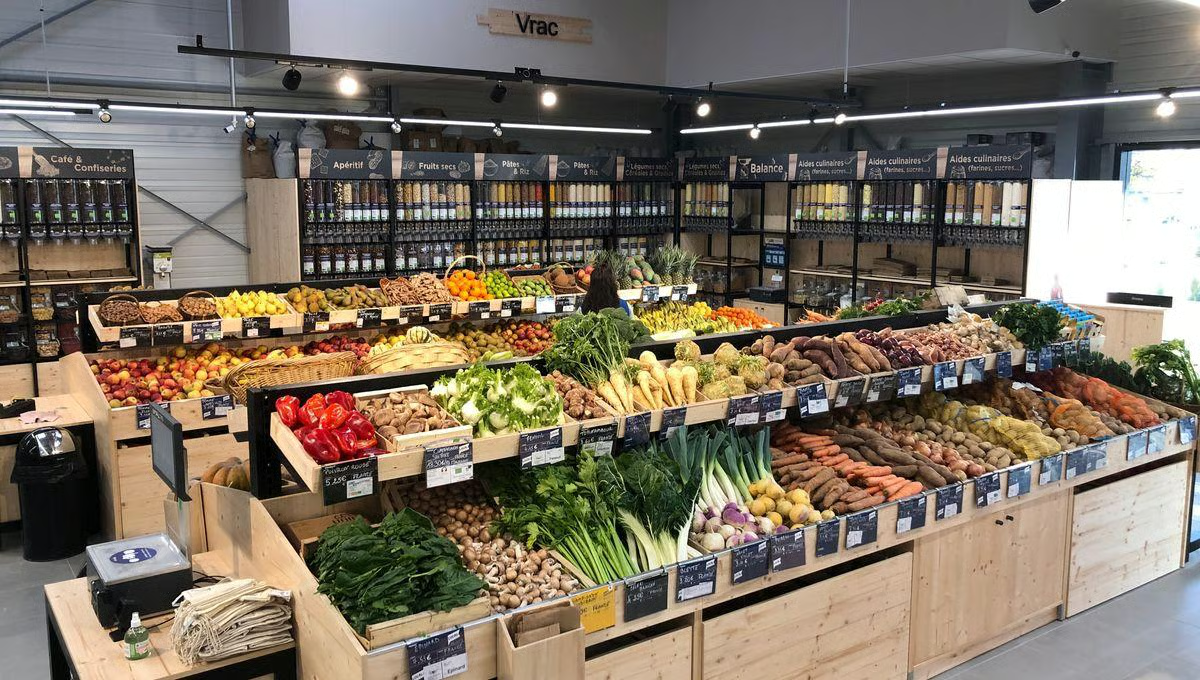
Biocoop is the top leader in the French market of specialized-organic retail with more than 740 stores all over the country. The company was worth approximately 1.5 billion euros in sales in 2024. Although mass retailers have substantially increased their offer of organic products, Biocoop keeps its position by being the most reliable and the most consistent brand: for a great number of consumers, it is the most reassuring brand of real organic products.
Challenges
The organic sector has faced difficulties in recent years due to inflation and changing consumer habits. Biocoop must balance accessibility (with its “Prix Engagés” low-price range) and its uncompromising values. At the same time, it needs to modernize its offer, e-commerce, click-and-collect and delivery, while preserving the cooperative spirit that differentiates it.
Looking ahead
Biocoop announced plans to expand its network by 160 new stores by 2029, while strengthening its partnerships with farmers and investing in responsible innovation. Its future challenge lies in staying loyal to its activist DNA, while scaling up in a highly competitive environment.
In short: Biocoop isn’t just a store, but a brand that represents a social project. Its success comes from turning ethics into a commercial strength, a fine balance between ideology and retail strategy.
References
- Biocoop. (s. d.). Notre histoire. Biocoop. https://www.biocoop.fr/notre-histoire
- Wikipédia. (2025, 3 octobre). Biocoop. Dans Wikipédia. https://fr.wikipedia.org/wiki/Biocoop
- Circuits-Bio. (2024, 22 janvier). 2,3 % de croissance pour Biocoop en 2023. Circuits-Bio. https://www.circuits-bio.com/vie-des-enseignes/2-3-de-croissance-pour-biocoop-en-2023
- Circuits-Bio. (2024, 5 juillet). Biocoop confirme la dynamique de ce début d’année. Circuits-Bio. https://www.circuits-bio.com/vie-des-enseignes/biocoop-confirme-la-dynamique-de-ce-debut-d-annee
- Le Monde. (2025, 18 septembre). Biocoop va bien et veut ouvrir 160 nouveaux magasins dans les quatre ans. Le Monde. https://www.lemonde.fr/economie/article/2025/09/18/biocoop-va-bien-et-veut-ouvrir-160-nouveaux-magasins-dans-les-quatre-ans_6641696_3234.html
- Bio Linéaires. (2024, 29 août). Biocoop : une croissance de +8,5 % à fin août. Bio Linéaires. https://www.biolineaires.com/biocoop-une-croissance-de-85-a-fin-aout
- Réussir. (2024, 9 janvier). Crise du bio : Biocoop perçoit des signes de reprise après une année 2023 complexe. Réussir. https://www.reussir.fr/bio/crise-du-bio-biocoop-percoit-des-signes-de-reprise-apres-une-annee-2023-complexe
- Le Monde. (2025, 21 mars). Les enseignes de distribution bio retrouvent des couleurs. Le Monde. https://www.lemonde.fr/economie/article/2025/03/21/les-enseignes-de-distribution-bio-retrouvent-des-couleurs_6584268_3234.html?utm


